
What Hurts Your Trade-In Value the Most?
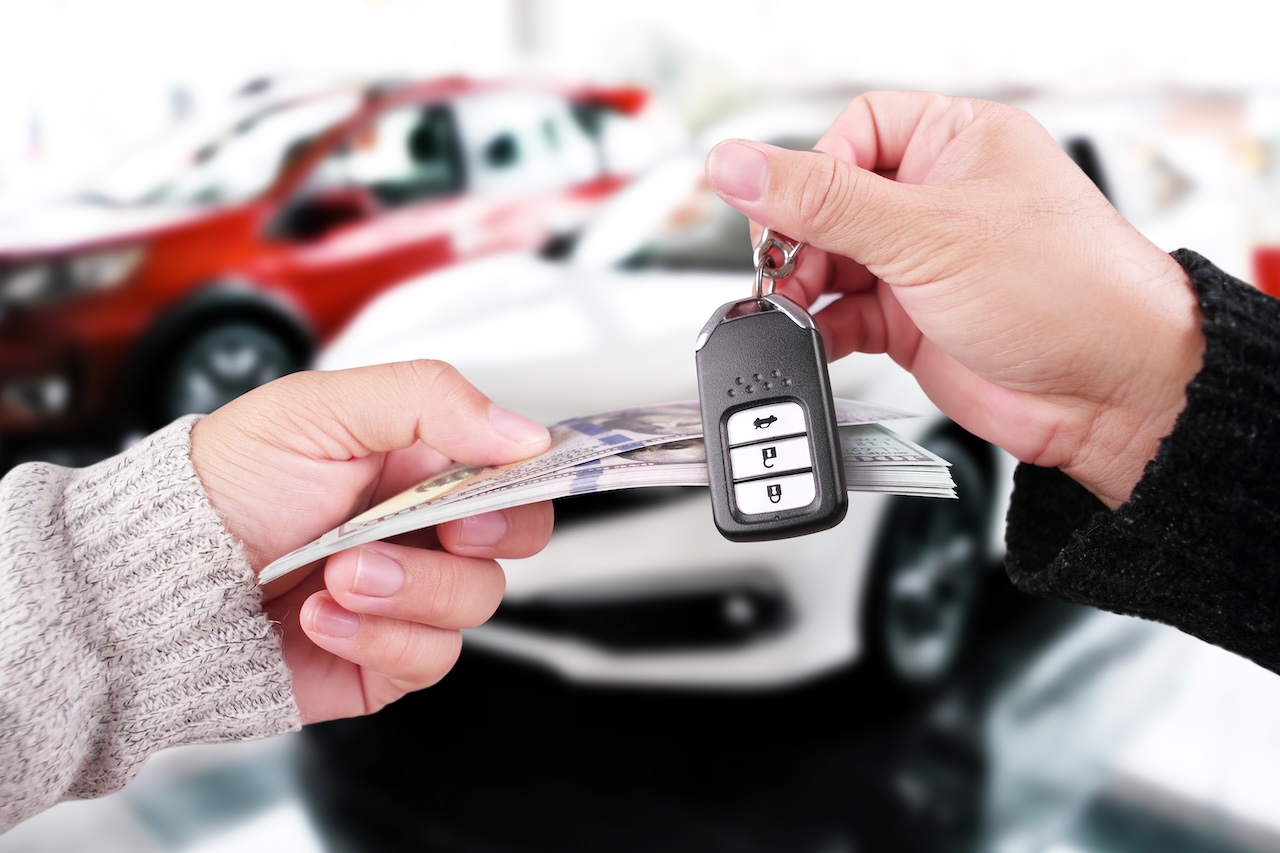
Trade-in value usually drops because of several small issues, not just one big problem. Many drivers are surprised to find that everyday wear, skipped maintenance, and local conditions, especially in the Northeast, can lead to the biggest deductions.
Knowing what affects your car’s value before you visit a dealership helps you set realistic expectations and avoid common trade-in mistakes.
Why Do Trade-In Values Vary So Much?
Two vehicles of the same year and model can receive very different appraisals. Trade-in value reflects more than age and mileage. Condition, maintenance history, and local market demand all play a role.
Drivers often ask, how much is my car worth? But it’s even more helpful to ask why a car gets a certain value. The answer usually comes down to how much it will cost to fix up and how confident the dealer is about reselling it.
Rust and Corrosion: A Hidden Value Problem in the Northeast
Rust is one of the biggest and hardest-to-fix problems that can lower trade-in value in northern states.
Where rust matters most?
- Undercarriage and frame components
- Brake lines and suspension parts
- Exhaust systems
Road salt speeds up rust, especially after several winters. Even if the outside looks clean, rust underneath can still lower your car’s value.
Can rust be fixed before trading in?
You can often fix surface rust if you catch it early. But structural rust usually can’t be repaired and will lead to permanent value loss. Trying to hide rust with cosmetic fixes often gets noticed during inspection.
Warning Lights and Mechanical Alerts
A dashboard warning light makes appraisers unsure about your car. Even small problems can have a big impact on your appraisal.
Common causes of value loss:
- Check engine lights
- ABS or traction control warnings
- Emissions-related alerts
If a warning light is on, appraisers must consider the time and cost needed to find and fix the problem.
What makes the biggest difference?
Having records of repairs and diagnostic reports shows if a problem is minor or still ongoing. Unfixed warning lights usually lower your car’s value more than cosmetic issues.
Interior Condition: More Than Just Appearance
Interior wear can lower your trade-in value more than most drivers realize.
Common interior issues that reduce value:
- Torn or heavily stained seats
- Strong odors (smoke, mildew, pet hair)
- Broken controls or infotainment issues
Odors can be especially costly because it’s not always possible to remove them completely.
What improves perception
Clean seats, a neutral smell, and working controls show you’ve taken good care of your car. It doesn’t have to look perfect, but signs of neglect stand out.
Tire Condition and Seasonal Wear
In the Northeast, the condition of your tires matters even more.
Why tires affect appraisals?
- Bald or uneven tread suggests immediate replacement
- Winter wear patterns can reveal alignment or suspension issues
- Mismatched tires indicate inconsistent maintenance
It’s usually only worth replacing tires if the tread is very low. Tires with moderate wear usually just mean a small deduction.
Accident History and Repair Transparency
Accident history can affect your trade-in value, even if repairs were done correctly.
Why accident history matters?
- Structural damage carries long-term risk
- Airbag deployment lowers resale confidence
- Multiple incidents compound deductions
Sharing repair records helps show how serious the damage was, but accident history still matters.
Missing Maintenance Records
Regular maintenance does more to protect your car’s value than cosmetic upgrades.
Why records matter?
- Oil change intervals
- Brake and tire service
- Major component maintenance
If you don’t have maintenance records, appraisers may assume you skipped some services. Even having some records can help boost your car’s value.
Aftermarket Modifications and Customization
Not every upgrade will raise your car’s value.
Modifications that commonly lower trade-in value
- Lift kits and suspension alterations
- Engine tuning or performance mods
- Non-factory wheels or lighting
Cars that are still factory-original usually attract more buyers. Modifications can make it harder to resell your car.
What Is Actually Worth Fixing Before a Trade-In?
It’s more important to weigh the cost versus the benefit than to aim for perfection.
Often worth addressing
- Dashboard warning lights with low repair cost
- Basic interior cleaning
- Simple mechanical maintenance
Usually not worth fixing
- Major mechanical repairs
- Extensive rust
- Large cosmetic restorations
Dealers value trade-ins based on how practical they are to resell, not on whether they look brand new.
How Market Demand Shapes Trade-In Value?
Your trade-in value depends on what similar cars are selling for in your area.
In urban Northeast markets:
- Fuel-efficient vehicles often hold steady demand
- AWD models retain seasonal appeal
- Reliable used vehicles remain desirable due to commuting needs
Local demand affects how your car is priced compared to the national average.
Does Cleaning a Car Really Change Trade-In Value?
Yes. Presentation affects perceived condition and reconditioning cost.
A clean car shows you’ve taken care of it and means less work for the dealer. That’s one reason why in-person appraisals can be different from online estimates.
How Dealerships Assess Trade-In Value
The appraisal process generally includes:
- Vehicle identification and mileage review
- Physical inspection
- History report evaluation
- Market demand analysis
- Estimated reconditioning cost
Dealerships use this same process whether they sell new or used cars.
Trade-In vs. Selling Your Car Privately
Drivers weighing whether to sell my car privately or trade in my car often consider time, convenience, and effort.
Selling your car privately might get you more money, but it also means handling listings, messages, and paperwork. Trading in your car is simpler because everything happens in one place.
The Hidden Factors Behind Your Trade-In Offer
Trade-in value depends on your car’s condition, how well you’ve cared for it, and local demand—not just mileage or age. Often, the biggest drops in value come from small issues that are easy to miss.
Drivers researching how to trade in my car, browsing used cars near me, or asking how much my car is worth? benefit from understanding how these factors are evaluated before visiting a dealership like Parkway Toyota of Boston.
Being prepared, honest, and realistic will make your trade-in go more smoothly and help you avoid surprises during the appraisal.
Get a Fast, Fair Trade-In Offer at Parkway Toyota of Boston
Start with our Instant Cash Offer tool to get a quick estimate from home. If you’re ending a lease, visit our Lease Return Center for a smooth process.
We make trading in easy and transparent. Explore your financing options or learn about vehicle protection plans when you upgrade. Questions? Contact us today.
0 comment(s) so far on What Hurts Your Trade-In Value the Most?